Why Your Dryer Vent is a Stealthy Home Hazard (And How to Fix It)

Look, I spend my days helping people secure mortgages and step into homeownership. I've watched clients pour their hearts into finding the perfect property, and once they get those keys, the real journey begins: protecting that investment. But here's something that catches too many homeowners off guard: one of the biggest threats to your home isn't a market crash or a bad roof. It's hiding behind your laundry room door.
Your dryer vent is a silent hazard that most people completely ignore until it's too late. And when I say "too late," I'm talking about house fires, skyrocketing energy bills, and clothes that wear out twice as fast as they should. Let me break down why this matters and how you can protect your home starting today.
The Fire Danger Is Real: And It's Regional
According to the U.S. Fire Administration, approximately 2,900 home dryer fires occur annually across the United States, and the leading cause is failure to clean the dryer vent. That's not a typo. Nearly three thousand families each year deal with property damage, insurance claims, and in worst-case scenarios, injuries or loss of life: all because of lint buildup.
Here's what makes this even more concerning: these fires aren't evenly distributed across the country. They spike dramatically during the winter months, particularly in January, and hit hardest in colder regions like the Northeast and Midwest. Why? Homeowners in these areas run their dryers constantly during winter, working overtime to dry heavy loads of coats, blankets, and layered clothing. More dryer use means more lint accumulation, and when you combine that with closed-up homes (poor ventilation) and heating systems running simultaneously, you've got a recipe for disaster.
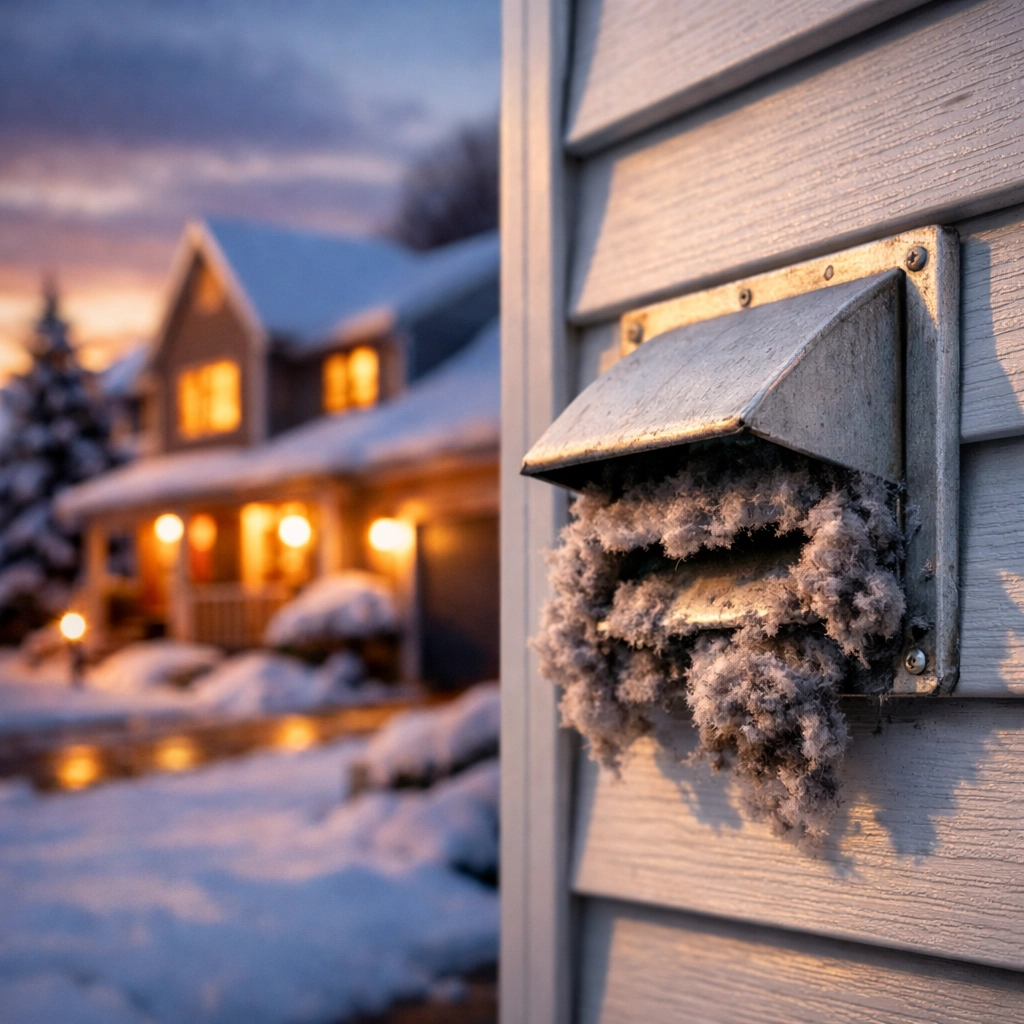
States like New York, Pennsylvania, Ohio, Michigan, and Illinois see disproportionately higher rates of dryer-related fires during peak winter months. Meanwhile, Southern and Western states experience more consistent (but lower) rates year-round. The takeaway? If you live in a cold-weather state and you're running that dryer daily through winter, you're in the highest-risk category.
The Hidden Energy Drain Hitting Your Wallet
Beyond the fire risk, a clogged dryer vent is quietly robbing you every single month. When lint and debris block your vent system, your dryer cannot expel hot, moist air efficiently. That means each load takes longer to dry: sometimes requiring two or even three cycles to finish what should take one.
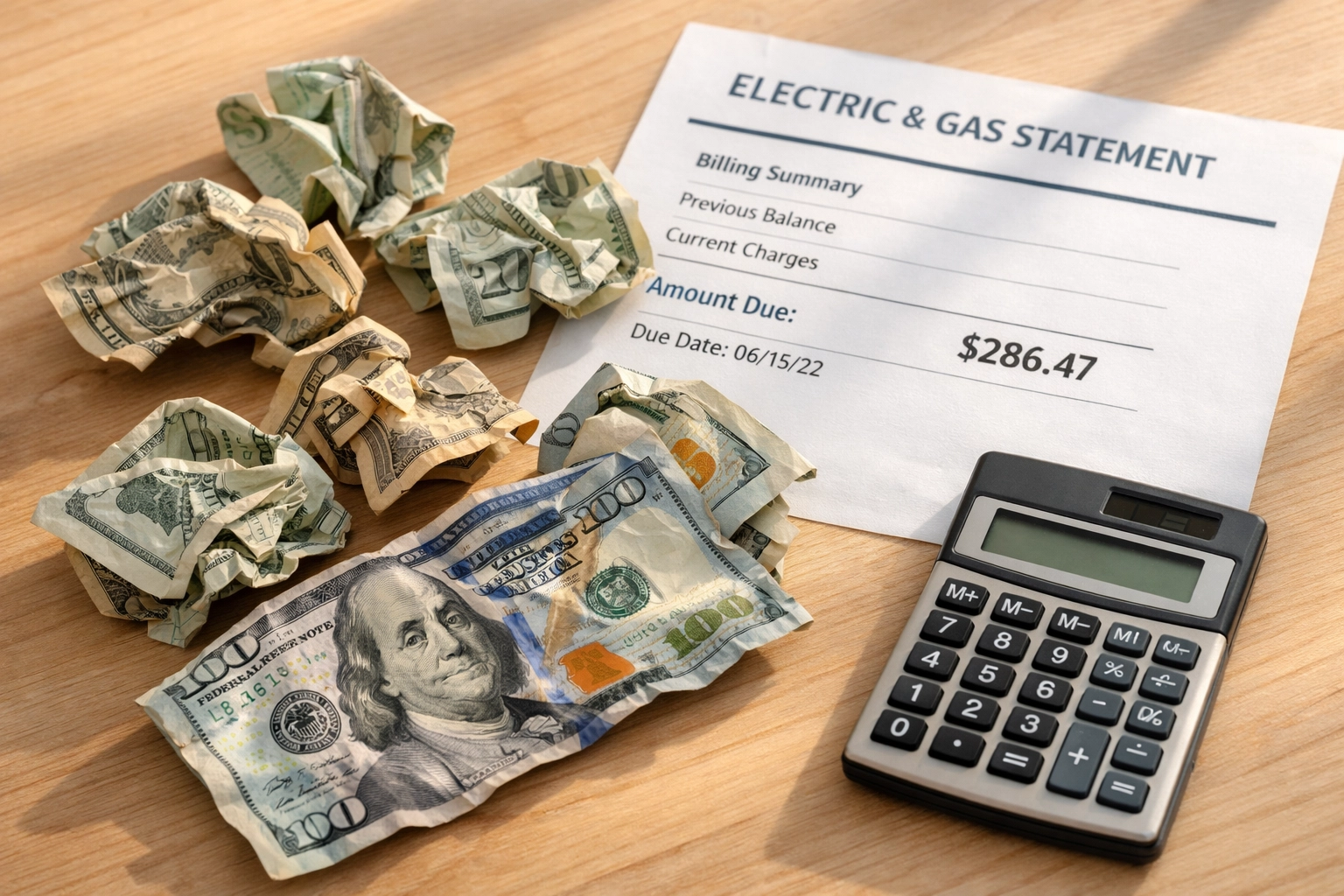
The numbers are staggering. A clogged vent can waste 25 to 35 percent of energy per load. For the average household running 8 to 10 loads per week, that inefficiency translates to an extra $180 to $300 annually on your electric bill. That's money literally disappearing into thin air (or more accurately, staying trapped in your vent).
Think about it this way: if you're wondering how much house you can afford or trying to lock in better mortgage rates, you're probably also looking at your monthly budget carefully. Why let a fixable maintenance issue drain hundreds of dollars a year when a simple cleaning could put that money back in your pocket?
The Science Behind Why Clogged Vents Destroy Your Clothes
Here's where it gets interesting from a mechanical standpoint. When your dryer vent gets clogged, it creates what's called a "bottleneck" of static pressure. Imagine trying to blow air through a straw that's partially blocked: the air has nowhere to go, so it backs up.
In your dryer, this means humid air cannot escape. Instead, it recirculates inside the drum, forcing the heating element to work harder and hotter to compensate. The dryer isn't just running longer: it's running hotter for extended periods. This excessive heat exposure causes something called thermal degradation of fabric fibers.
Cotton, polyester, and blended fabrics all have heat tolerance thresholds. When you exceed those thresholds repeatedly (which happens with a clogged vent), the molecular structure of the fibers begins breaking down. Colors fade faster. Elastic waistbands lose their stretch. Seams weaken. That favorite shirt you bought last year? It's aging at an accelerated rate because your dryer is essentially baking it every cycle.
This isn't just about replacing clothes more often (though that's expensive enough). It's about the environmental impact of discarding garments prematurely and the frustration of watching quality items deteriorate when they should last years longer.

Warning Signs Your Vent Needs Immediate Attention
Most homeowners have no idea their dryer vent is clogged until something goes wrong. Here are the red flags that should send you straight to maintenance mode:
Your clothes are still damp after a full cycle. If you're running the dryer for 60+ minutes and pulling out clothes that are still wet or need "just one more cycle," that's your first clue.
The dryer or laundry room feels excessively hot. Touch the top of your dryer mid-cycle. If it's uncomfortably hot to the touch, or if your laundry room feels like a sauna, that heat isn't escaping properly.
You smell something burning. This is the most urgent warning sign. A burning smell while the dryer runs means lint is overheating. Turn off the dryer immediately and get the vent inspected.
Lint is accumulating around the outside vent opening. Walk outside and check where your dryer vents to the exterior. If you see lint buildup around the vent cover or the flap isn't opening properly during operation, you've got a blockage.
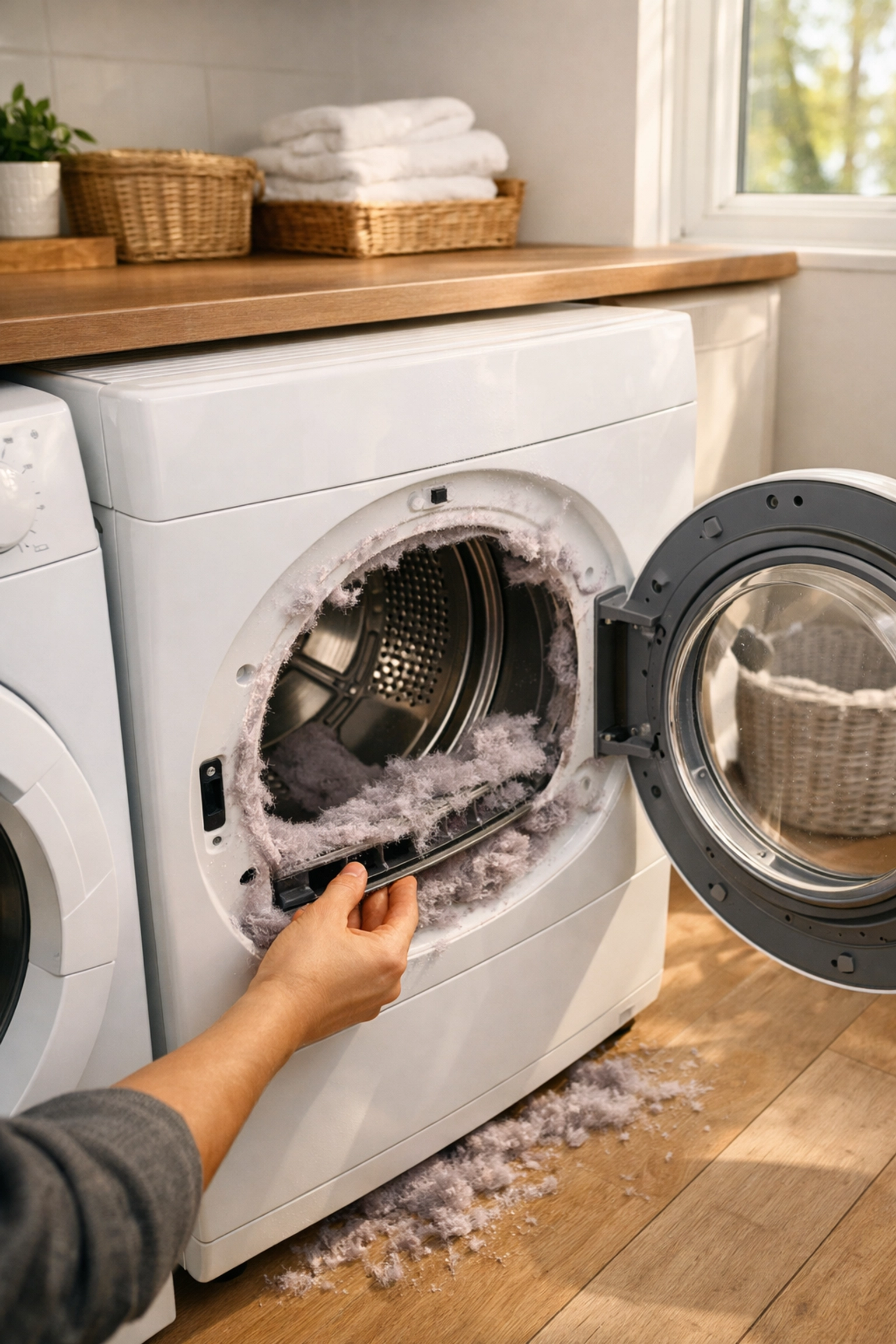
Your lint trap is suspiciously clean. Sounds counterintuitive, right? But if your lint trap isn't collecting much lint, it means lint is bypassing the trap and accumulating in the vent system instead: a much bigger problem.
How to Protect Your Home (And Your Investment)
Here's the good news: preventing dryer vent disasters is straightforward and inexpensive compared to the alternative. Follow these steps to keep your home safe and your dryer running efficiently.
Clean your lint trap after every single load. This is non-negotiable. It takes five seconds and prevents lint from migrating into the vent system. Make it as automatic as closing the dryer door.
Schedule professional vent cleaning annually. DIY cleaning is great for the lint trap and the easily accessible areas, but professional vent cleaning services have specialized tools to clear the entire vent line from your dryer to the exterior. This should happen at least once per year: twice if you have a large family or do heavy laundry volume.
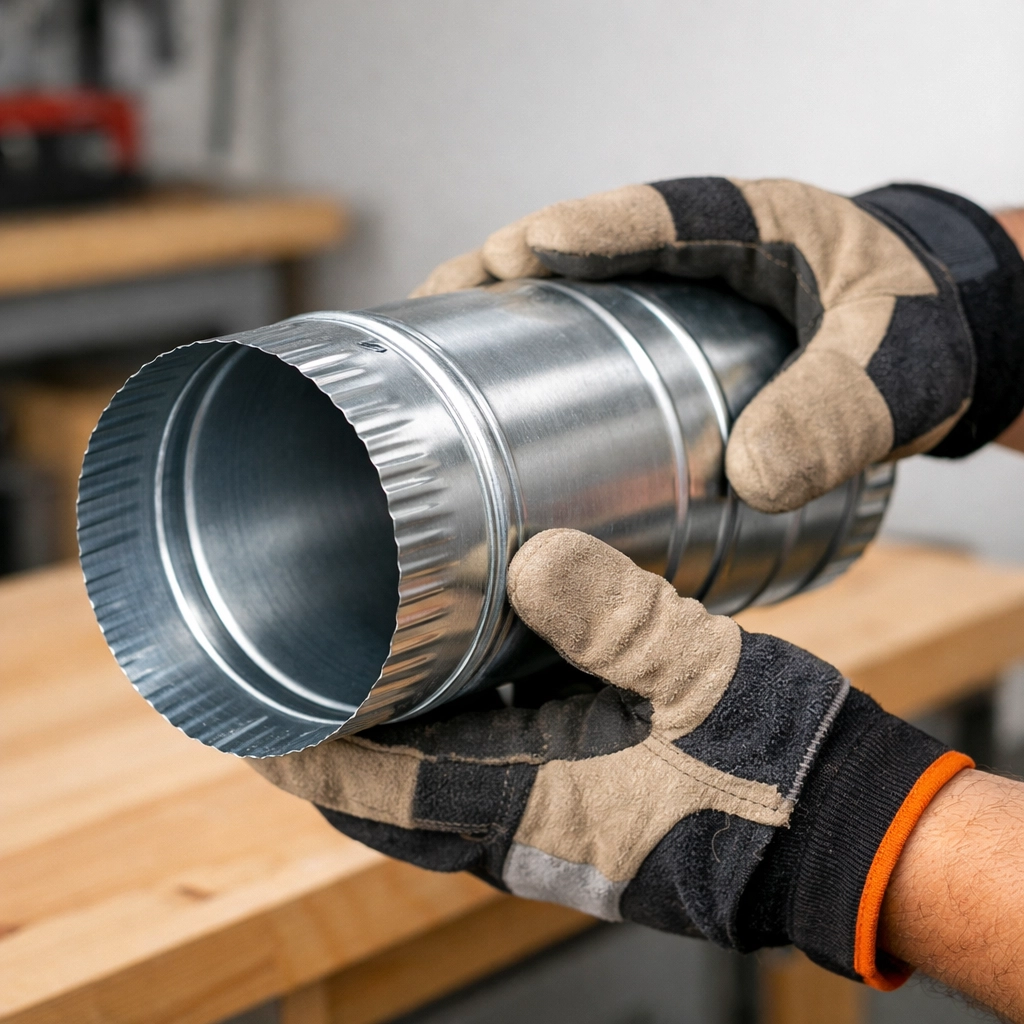
Inspect your vent system. If your dryer vents through plastic or foil ducting, replace it with rigid or semi-rigid metal duct. Plastic and foil are fire hazards because they can melt or ignite. Metal ducts are safer, more durable, and improve airflow.
Keep the area around your dryer clear. Lint is sneaky: it escapes and settles on surrounding surfaces. Vacuum behind and around your dryer regularly to eliminate lint accumulation in hidden spaces.
Consider upgrading to a dryer with moisture sensors. Modern dryers with sensor technology automatically stop when clothes are dry, reducing unnecessary runtime and heat exposure. It's an investment that pays for itself in energy savings and garment longevity.
The Wynne/Win Philosophy: Protect Your Biggest Asset
I've spent over 20 years helping people navigate the mortgage process and achieve homeownership. One thing I always tell my clients: buying the house is just the beginning. Protecting that investment: your biggest financial asset: requires ongoing attention to the details that most people overlook.
A safe, efficient home isn't just about comfort. It's about preserving your property value, avoiding catastrophic repair costs, and creating a space where your family thrives without hidden dangers. When you take simple steps like maintaining your dryer vent, you're playing the long game. You're ensuring that the home you worked so hard to buy remains a source of security and pride, not stress and financial drain.
That's what I call a Wynne/Win scenario: you win by protecting your investment, and your home wins by staying safe and efficient for decades to come.
If you're in the market for a home or refinancing your current mortgage, I'd love to help you secure the best possible terms. But once you're in that home, don't let preventable hazards like a clogged dryer vent undermine everything you've built. Take an hour this weekend to inspect your dryer vent system. Your wallet, your clothes, and your family's safety will thank you.
Ready to take the next step in your homeownership journey?Book a consultation or apply now to explore your mortgage options. Let's make your homeownership goals a reality: and keep that home safe and sound for years to come.
Comments